SPSS FOCUS
A comprehensive guide to statistical analysis in SPSS
Welcome to SPSS Focus
SPSS Focus provides intuitive tutorials on statistical analysis in SPSS. All tutorials include description of the statistical methods, examples, data sets, and how to perform those statistical analyses in SPSS.
Descriptive Statistics
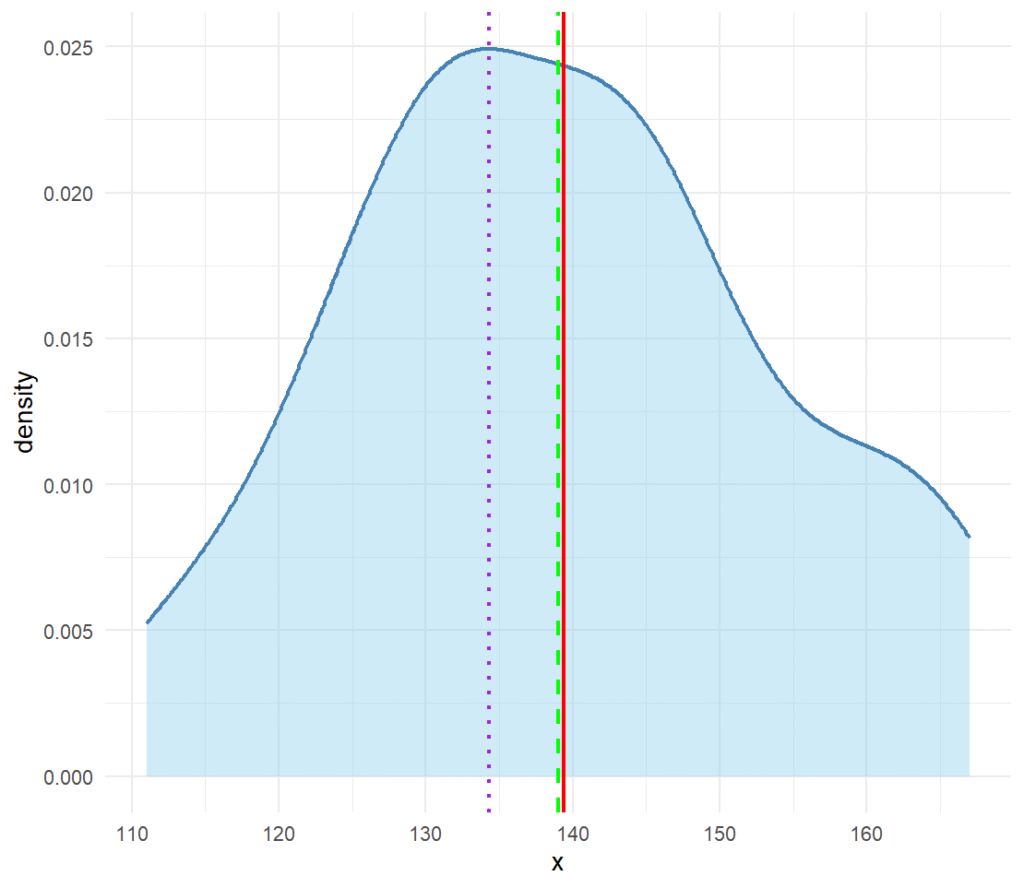
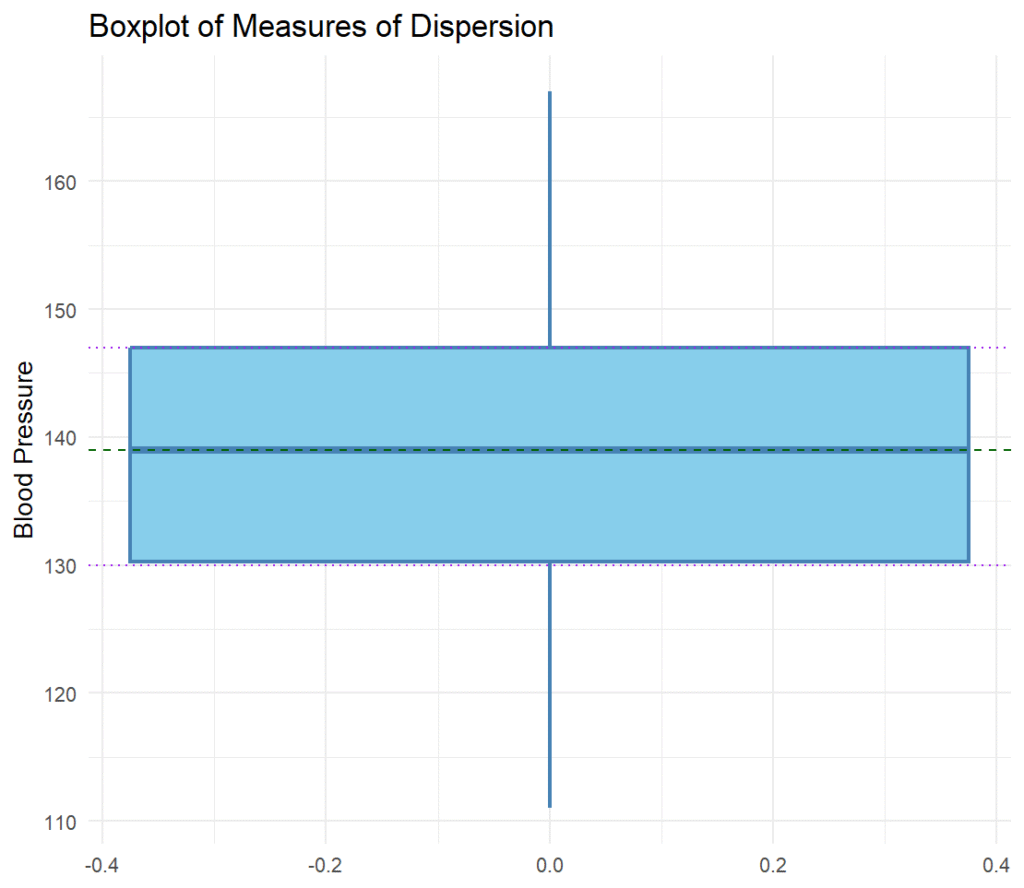
Descriptive statistics are values that summarize the distribution of a sample of data. The most common descriptive statistics are measures of central tendency (mean, median, and mode) and measures of dispersion (range, interquartile range, variance, and standard deviation). The following pages describe measures of central tendency and measures of dispersion in detail with illustrations in SPSS.
Measures of Association and Correlation
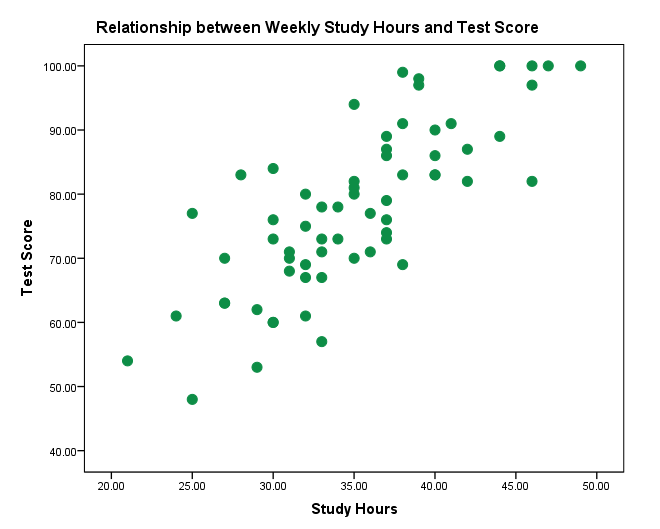
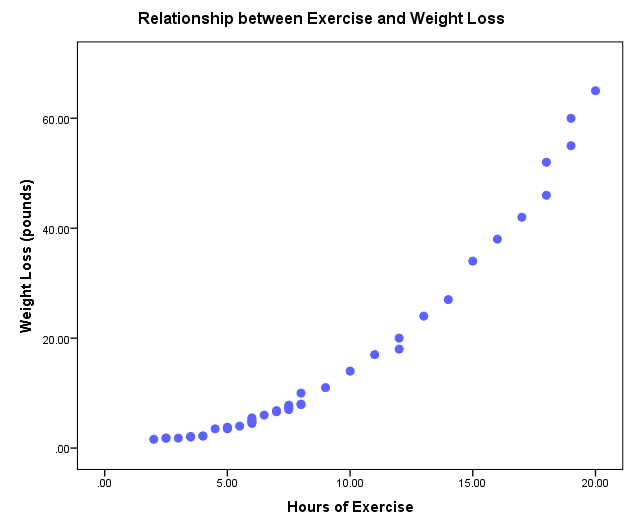
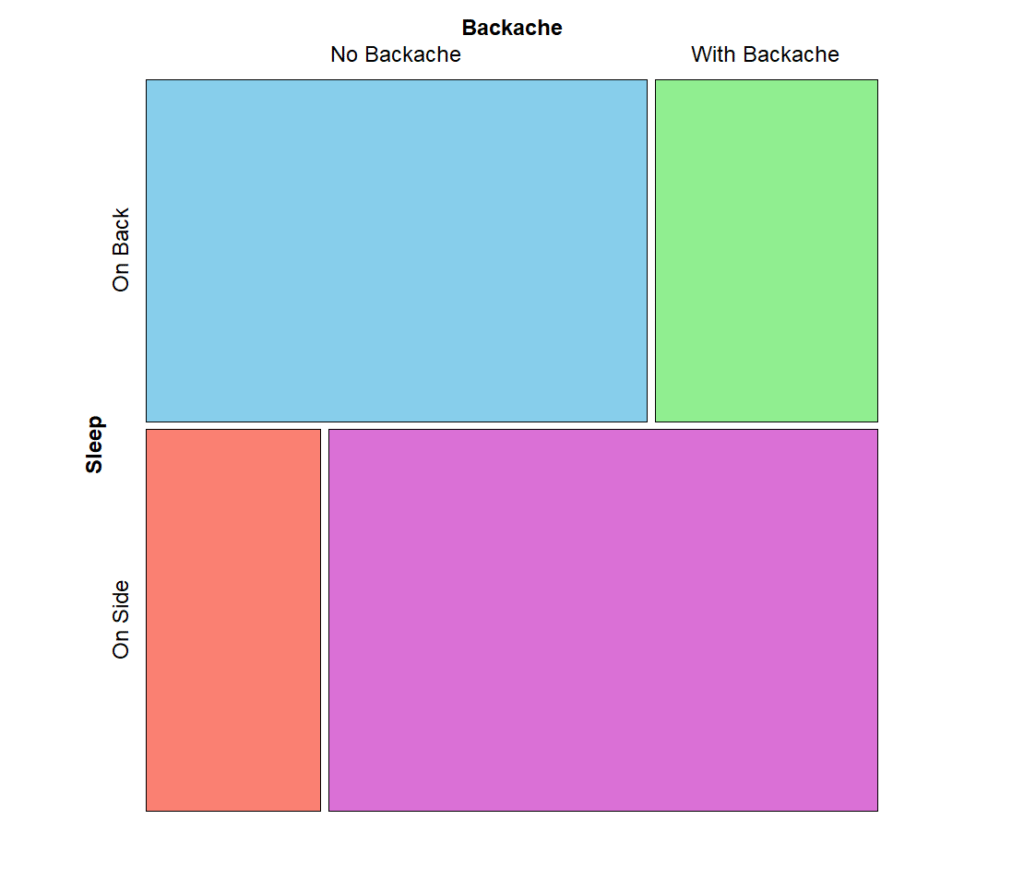
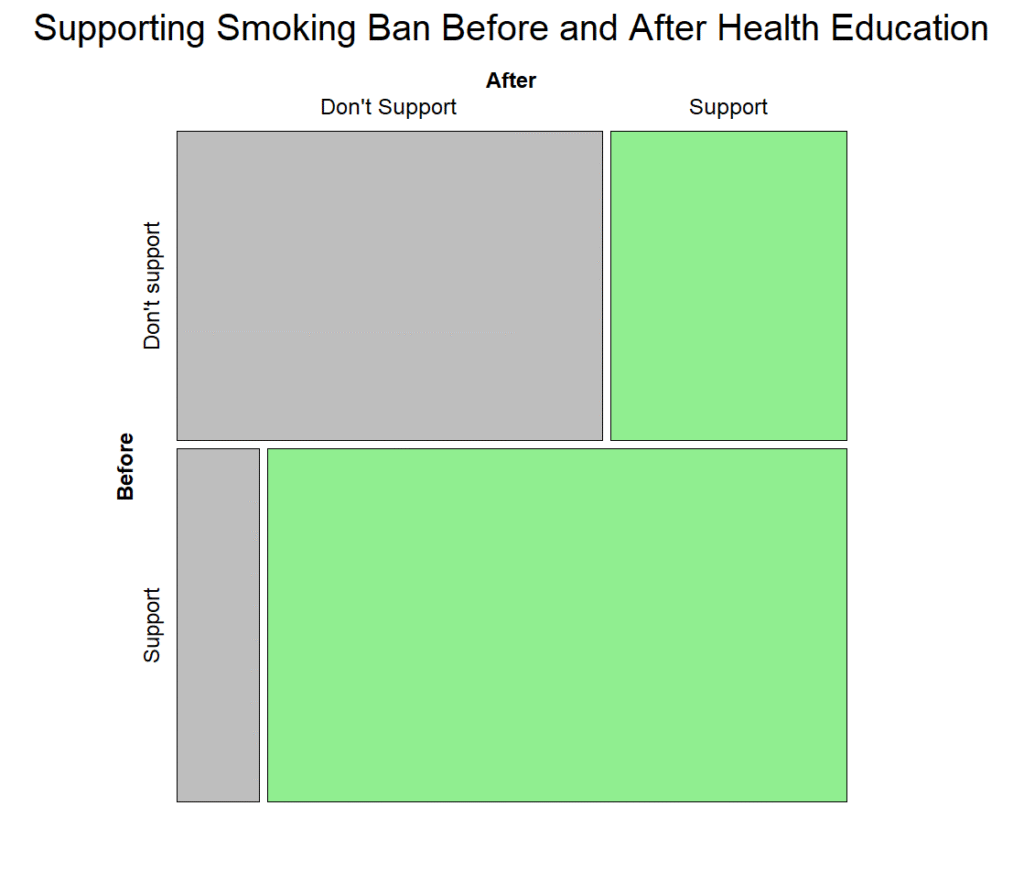
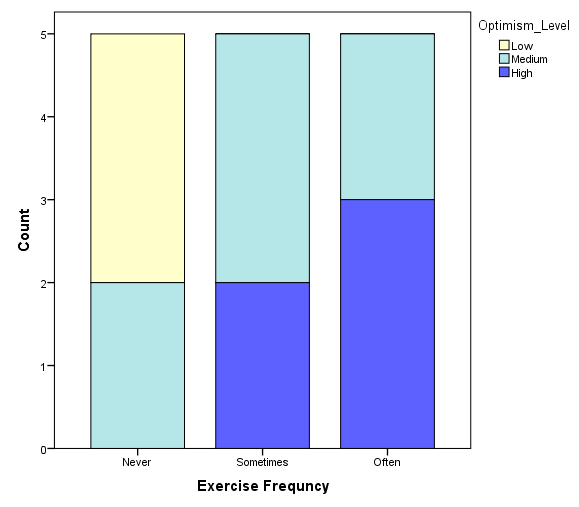
Measures of association or correlation are statistical methods that measure the relationship between two variables. The most common measures of association are Pearson Correlation, Spearman Correlation, and Chi-squared Test of Association. You can learn more about these tests in the following pages.
Comparing Groups
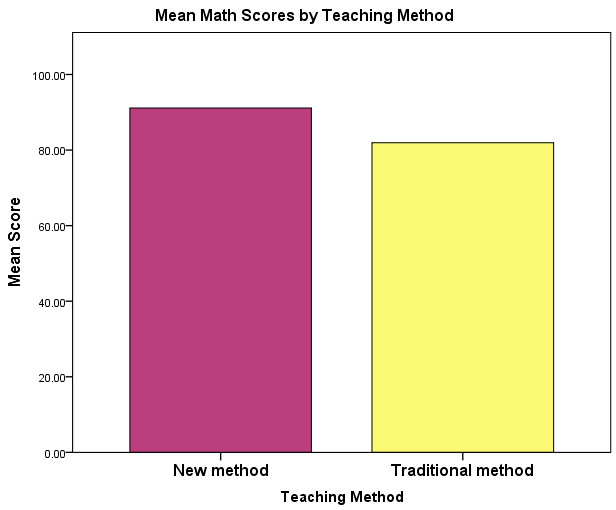
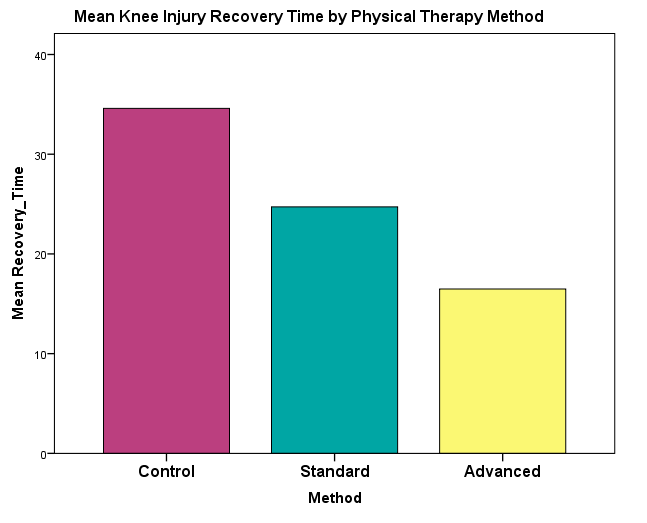
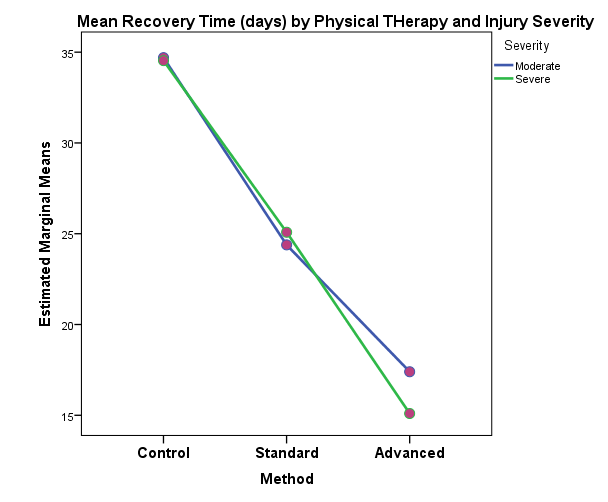
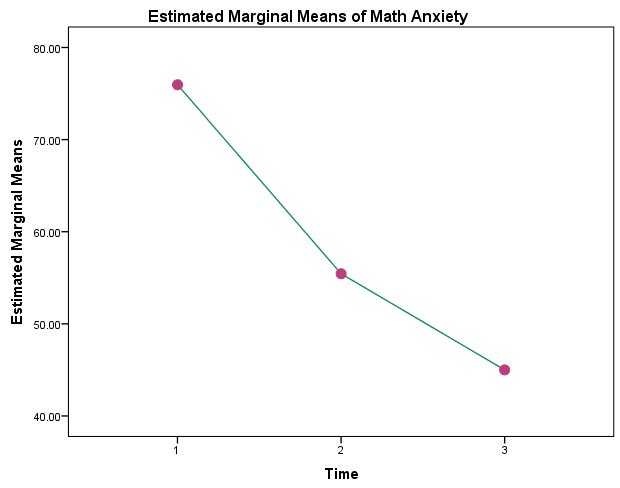
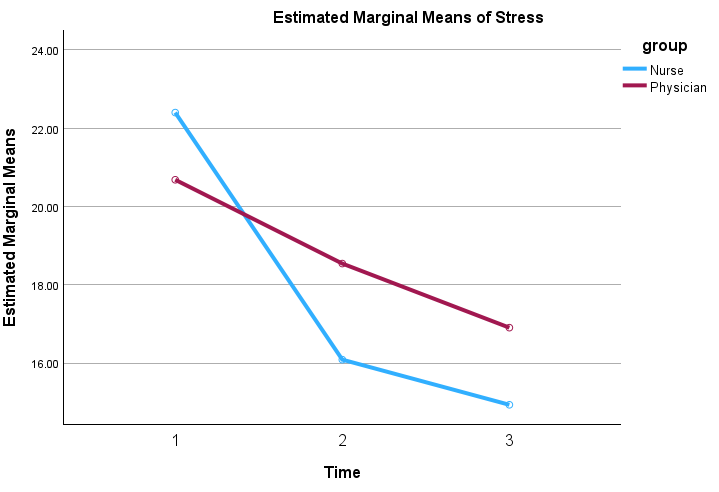
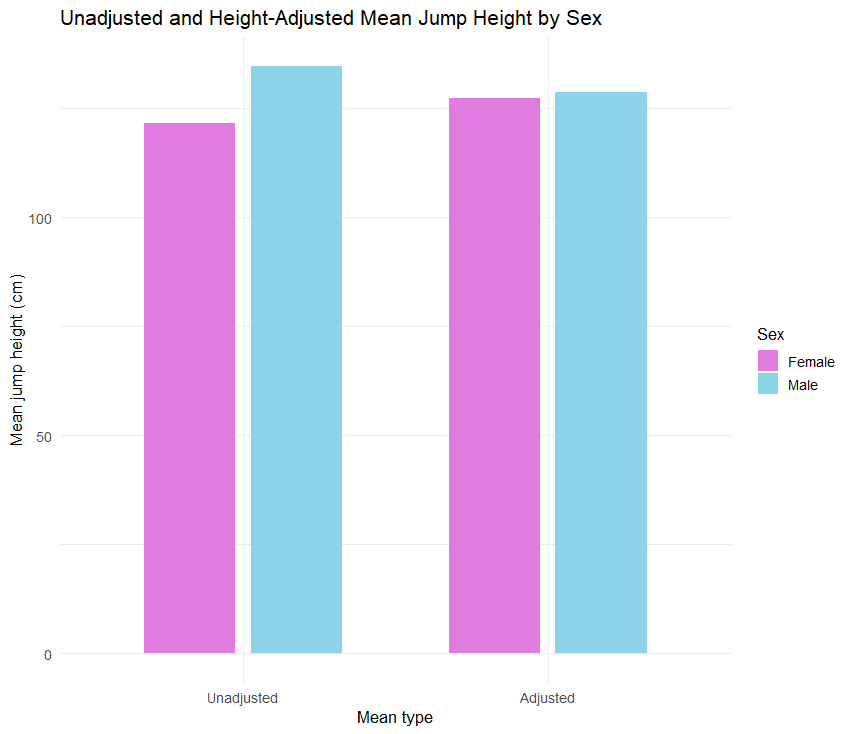
Several statistical methods exist to compare two or more than two groups or samples together or by themselves. These statistical methods usually compare the mean values between groups, or the mean values of the same group measured several times. The most common statistical methods to compare groups are t-test and analysis of variance (ANOVA) techniques. You can learn more about these powerful tests in the following pages.
Regression Models
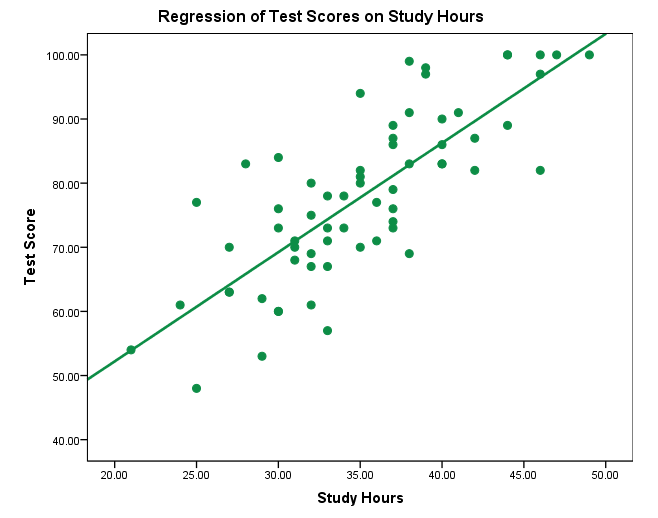
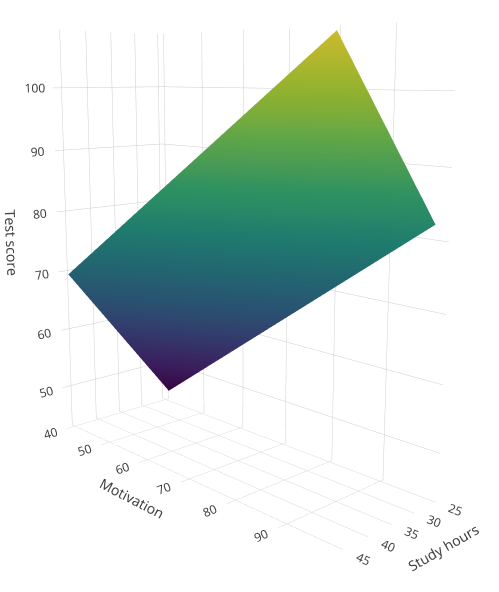
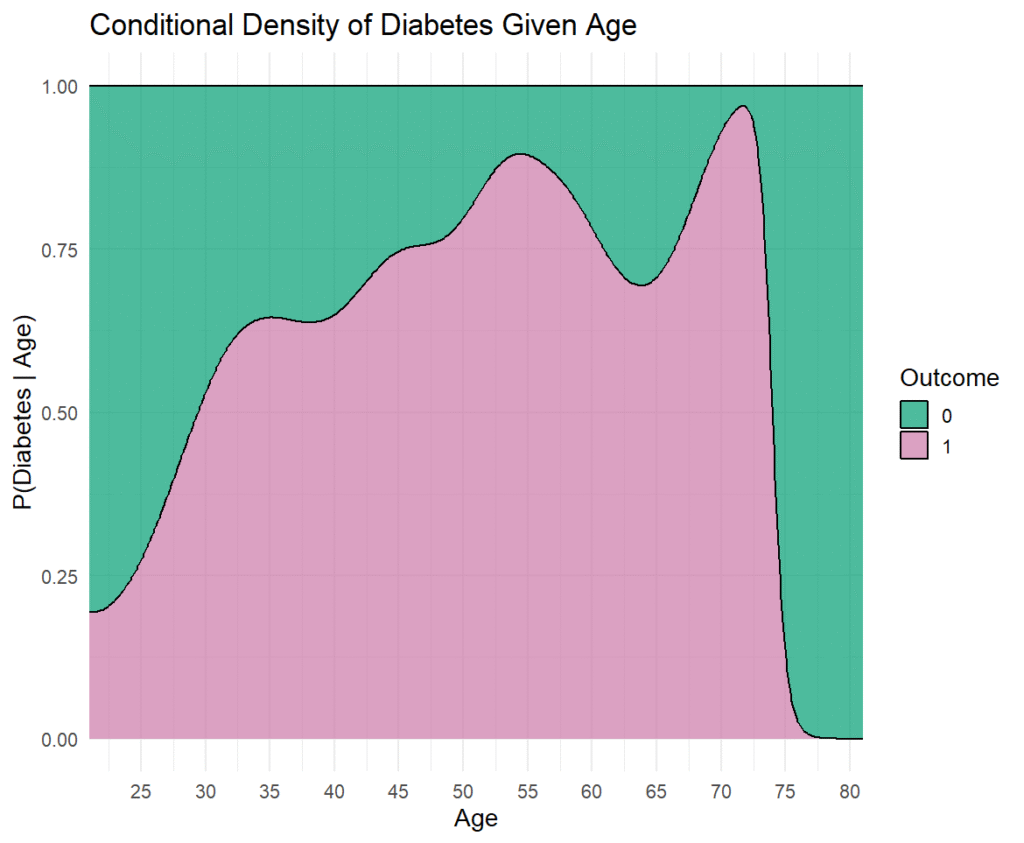
Regression models are statistical methods that explain the relationship between a response or outcome and a set of predictor variables. The result is a model that shows the strength of each predictor with the outcome through a coefficient or weight. The most common regression models are simple regression, multiple regression, and logistic regression. You can learn more about these powerful modeling methods in the following pages.
Survival Analysis
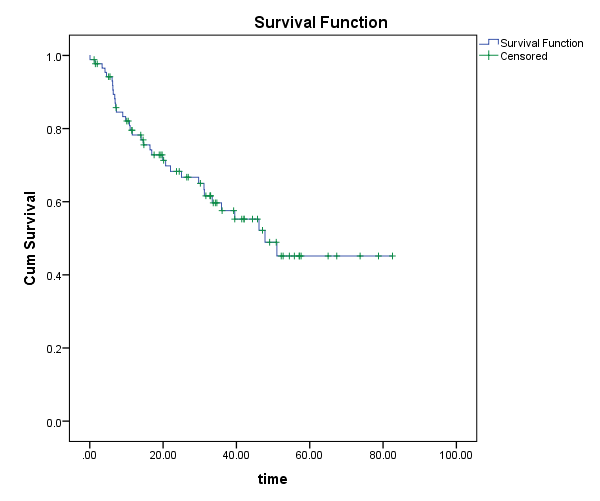
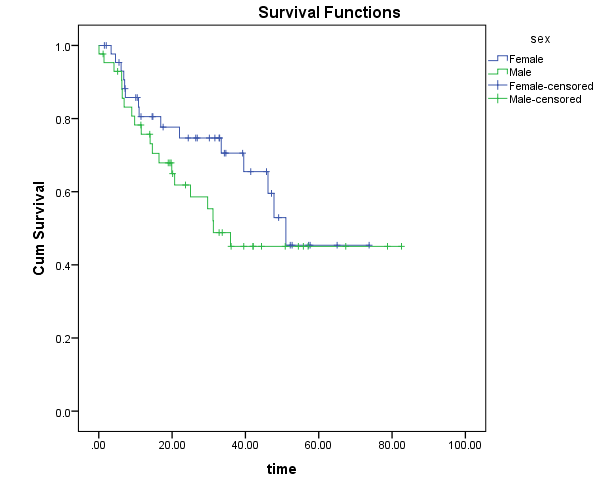
Survival analysis comprises statistical methods that model time-to-event outcomes, such as the time it takes for a patient to recover, the time it takes for a house to sell, or the time it takes for a cancer patient to pass. Kaplan-Meier curves and Cox regression are two most commonly used statistical methods in survival analysis. You can learn more about survival analysis in the following pages.
Psychometrics & Measurement
Psychometric and measurement methods refer to statistical techniques used for construction of psychological, educational, and health outcomes instruments, such as questionnaire, tests, and scales. Such statistical measures may include analysis methods for reliability, validity, and consistency. This section includes the most common psychometric and measurement methods in social and health sciences, such as reliability and factor analysis.